Friday, 23 August 2024

The Power of Community-Led Monitoring in the Digital Age: A Success Story from the Network of TB Champions Kenya

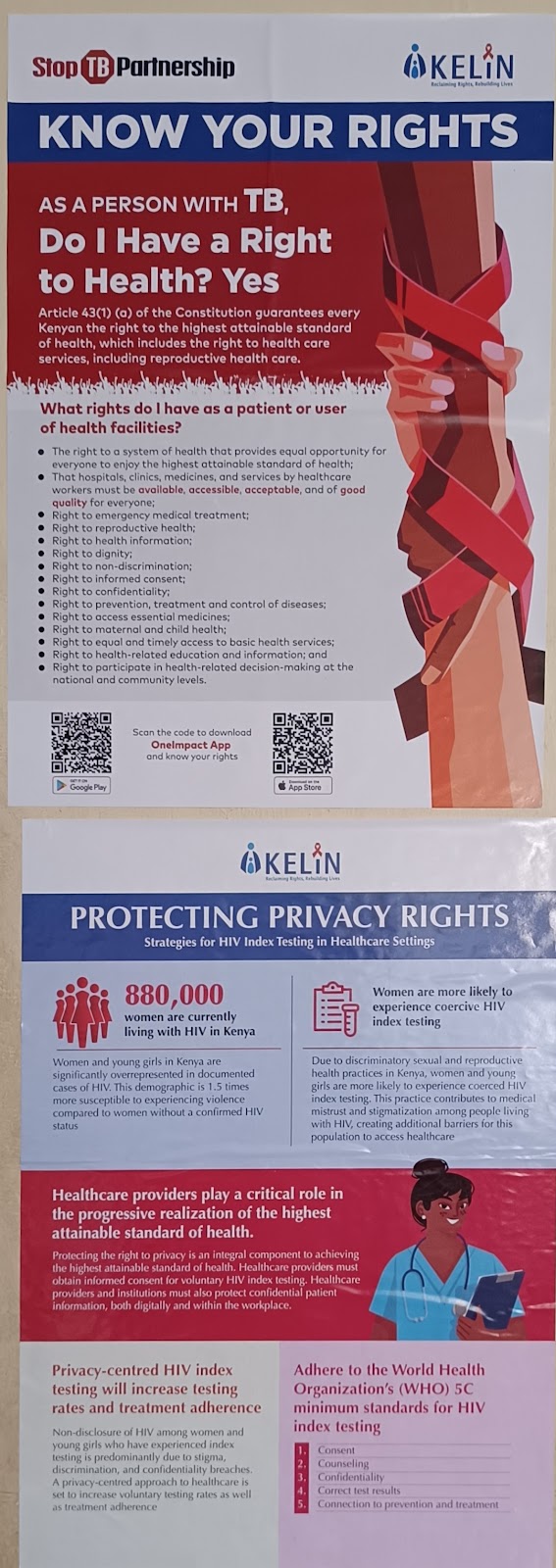
In an era where information spreads at lightning speed across social media platforms, the ability to respond swiftly to emerging issues has become more critical than ever. This reality was brought into sharp focus recently when the Network of TB Champions Kenya, particularly our Meru chapter, mobilized to trace and support Mulika (not real name), a fellow community member whose private health information was irresponsibly shared online.

This incident underscores a fundamental truth in today’s interconnected world: swift response is no longer just a best practice—it’s a necessity. As messages, rumors, and misinformation can spread in real-time, the outcomes of our collective efforts can be drastically influenced by how quickly and effectively we respond. The rapid action taken by the Network of TB Champions Kenya not only safeguarded Mulika's well-being but also highlighted the immense power of community-led monitoring (CLM) in addressing such sensitive issues.

Community-led monitoring is more than just a buzzword; it’s a transformative approach that puts the power of oversight and accountability into the hands of those directly affected. CLM empowers communities to take charge of their narratives, ensuring that their voices are heard and their rights are protected. In this case, the swift mobilization of our network served as a powerful example of how CLM can be leveraged to achieve justice, protect individual rights, and prevent further harm.

The Mulika's case is a testament to the effectiveness of a people-centric approach in TB response. By rallying together, we demonstrated the strength and unity that can be harnessed to advocate for justice, uphold patient rights, and reinforce the importance of confidentiality in health matters. This success story also serves as a reminder of the critical role that community-led monitoring plays in our efforts to end TB. By actively engaging in monitoring and responding to situations that impact health and well-being, communities can ensure that their members are protected and supported in real-time.

As we continue our mission to eliminate TB and advocate for the rights of those affected, the lessons learned from this experience are clear: collaboration, swift action, and community leadership are essential components of success. In the digital age, where the speed of information can either help or hinder our progress, the importance of these elements cannot be overstated.

The Network of TB Champions Kenya will continue to champion the principles of community-led monitoring, ensuring that we remain vigilant and responsive in our approach. By doing so, we not only safeguard the rights and well-being of individuals like Mulika but also strengthen our collective ability to make meaningful progress in the fight against TB.

This is our call to action: to remain united, to act swiftly, and to lead with compassion and respect. Together, we can harness the power of community-led monitoring to create a healthier, more just world for all.

Thursday, 22 August 2024

Corruption in Healthcare: The Hidden Cartels Robbing Kenyans of Their Right to Health

Recent allegations from a public hospital in Kenya have sent shockwaves through the community. It is said that healthcare workers are carrying essential drugs in their bags for sale, leaving the hospital pharmacy nearly empty, stocked only with condoms and gloves. If true, this is not an isolated incident but a symptom of a deeper rot within the Kenyan healthcare system, where cartels have infiltrated public health institutions, depriving Kenyans of their right to accessible and affordable healthcare.

For years, whispers of corruption have echoed through various health settings across the country. KEMSA delivers medicines meant for public hospitals, yet these drugs mysteriously vanish, only to reappear in private pharmacies and clinics. The situation described here, if substantiated, is a glaring example of how deep these corrupt networks run, with healthcare workers allegedly running their own illegal enterprises within public facilities.

But this story is not just about corruption. It's also a call to action for communities across Kenya. The responsibility does not solely rest on the shoulders of the government or the new Cabinet Secretary for Health, who undoubtedly has a monumental task ahead. Communities have a crucial role to play in exposing these malpractices. Rather than sitting on the fence, witnessing the decay of public services, it is imperative that citizens take a stand.

Community-led monitoring is a powerful tool that can turn the tide against corruption. By reporting these incidents, providing evidence, and offering witness accounts, communities can help bring these corrupt practices to light. The tools are there—suggestion boxes, community scorecards, and digital platforms like One Impact and I Monitor—but they must be used effectively. Without active participation and vigilance from the community, these reports may remain unsubstantiated rumors, and the wolves among us will continue to feast unchecked.

If we continue to cry wolf without evidence, the real wolves will roam free, and the Kenyan healthcare system will continue to suffer. It is time to break the silence, report the wrongdoings, and hold those responsible accountable. Only then can we ensure that every Kenyan has access to the healthcare they deserve.

Friday, 12 July 2024

Empowering TB Champions: Advancing Human Rights and Community-Led Monitoring in Kenya

Yesterday, the Network of TB Champions concluded a significant training program for 40 TB Champions from Kakamega, Vihiga, Kisii, and Nyamira Counties. This initiative, part of our CFCS Round 12 Grants, focused on Human Rights and Community-Led Monitoring in Kenya. The training underscores our commitment to equipping TB Champions with essential skills and knowledge to advocate effectively for TB patients' rights and establish robust community-led monitoring systems. This effort is a crucial step toward enhancing grassroots capacity and ensuring that TB patients' voices are heard and their rights protected.

We were privileged to have Dr. Timothy Malika, the Kisumu County TB Coordinator, grace our occasion, further emphasizing the importance of this training. The support from the Stop TB Partnership has been instrumental in making this training possible. Such grants are pivotal in the global fight against TB, enabling us to strengthen our efforts at the national and local levels.

Kenya, as one of the 30 high TB burden countries, faces significant challenges in combating tuberculosis. According to the latest data from the World Health Organization, Kenya reported approximately 139,000 TB cases in 2022. The high burden of TB in Kenya highlights the urgent need for comprehensive and coordinated efforts to address the epidemic. The training of TB Champions on human rights and community-led monitoring is a crucial component of this strategy, empowering community members to take an active role in TB prevention, care, and advocacy.

One standout example of the impact our TB Champions can have is Roseline Kemuma from Kisii County. Since 2011, Roseline has been a dedicated TB Champion. Last year, she successfully resolved a case initially highlighted on social media by one of our Champions. This successful conclusion not only reinforces our vigilance but also proves the effectiveness of the Network of TB Champions Kenya in the fight against TB. Her exemplary work demonstrates the profound impact of frontline TB workers, showcasing the power of vigilance and community advocacy in addressing TB-related issues. Roseline’s dedication and success serve as an inspiration to all of us, underscoring the importance of our work and the difference that empowered individuals can make in the fight against TB.

The grants from the Stop TB Partnership are not just financial aids; they are catalysts for change. They empower TB Champions, fortify community-led initiatives, and drive us closer to the global goal of eliminating TB. By focusing on human rights and community-led monitoring, we ensure that TB patients receive the care and support they need, and that their rights are protected throughout their treatment journey. This approach fosters a more inclusive and responsive health system, capable of addressing the unique challenges faced by TB patients in Kenya.

As we continue to train and support our TB Champions, we reaffirm our commitment to fighting TB at every level, from local communities to the global stage. The knowledge and skills imparted through this training program will enable our Champions to effectively monitor and advocate for TB patients’ rights, ensuring that no one is left behind in the fight against this devastating disease. Together, we can make a difference and move toward a TB-free world.

In conclusion, the Network of TB Champions Kenya remains dedicated to empowering individuals and communities to take an active role in TB prevention and care. Through continued support from partners like the Stop TB Partnership, we will continue to strengthen our efforts and work towards a future where TB is no longer a threat to public health. Let us draw inspiration from the remarkable work of Champions like Roseline Kemuma and continue to strive for excellence in our fight against TB.

Saturday, 6 July 2024

Let's Fight TB, Not Supremacy: The True Role of TB Champions


In recent times, the term "TB champion" has gained attention, yet its essence seems to be shifting away from its core purpose. Originally, a TB champion was someone dedicated to fighting tuberculosis, supporting those affected, and advocating for better healthcare. However, today, the title is sometimes misappropriated for personal gain or influence, diluting its true significance.

True TB champions are not driven by personal agendas or the desire for recognition. They are individuals committed to the cause, often motivated by personal experiences with TB or a genuine passion for public health. Their efforts extend beyond titles and accolades; they work tirelessly to raise awareness, ensure access to treatment, and support communities affected by TB.

The fight against tuberculosis requires genuine champions who prioritize collaboration over competition and solidarity over self-promotion. It demands leaders who are willing to engage with communities, governments, and healthcare providers to drive meaningful change. These champions understand that the battle against TB is multifaceted, involving not only medical interventions but also social support, education, and policy advocacy.

Unfortunately, the rise of opportunistic "TB champions" can overshadow the dedicated efforts of those who work tirelessly in the field. It's crucial to distinguish between those who genuinely contribute to the cause and those who use the title for personal gain. True champions demonstrate integrity, transparency, and a deep commitment to improving public health outcomes.

As we navigate the complexities of TB prevention and care, let's reaffirm the true essence of being a TB champion. Let's prioritize collaboration, community engagement, and evidence-based interventions. Let's amplify the voices of those affected by TB and advocate for policies that prioritize health equity and access to care.

In conclusion, let's fight TB, not supremacy. Let's reclaim the title of TB champion for those who embody its true meaning—a commitment to ending tuberculosis and improving the lives of millions worldwide. Together, we can make a real difference in the fight against TB, ensuring that our efforts are driven by compassion, dedication, and a shared vision of a TB-free future.

Friday, 5 July 2024

Ruto's Ban on Harambees: A Necessary Step Towards Curbing Corruption and Ensuring Fair Governance

President William Ruto's recent decision to ban State officers and public servants from public contributions and participating in harambees is a move that, while controversial, is fundamentally necessary for Kenya's fight against corruption and the establishment of fair governance. This bold step aims to address the persistent issues of financial misappropriation and the use of public resources to gain political influence.

For decades, harambees have been an integral part of Kenyan society, serving as a platform for collective community support and development. Churches, schools, and community projects have greatly benefited from these fundraisers, often receiving significant financial boosts from influential public figures. However, the very essence of harambees has been tainted by the involvement of State officers and public servants who, under the guise of philanthropy, have been splashing enormous sums of money—amounts that are often disproportionate to their legitimate earnings.

The public outcry against Cabinet Secretaries and Members of Parliament (MPs) flaunting their wealth at these events is not unfounded. Such displays not only raise questions about the sources of their funds but also highlight the systemic corruption that plagues our public institutions. It is an open secret that some of these contributions are derived from corrupt dealings, including the theft of public resources and kickbacks from dubious contracts. By banning public servants from participating in harambees, President Ruto is sending a clear message that corruption and the misuse of public funds will no longer be tolerated.

Moreover, the use of harambees for political gain cannot be overlooked. Public servants, especially those holding or seeking elective positions, have leveraged these events to endear themselves to the electorate. The large sums of money donated are often viewed as a means to buy influence and secure votes, undermining the democratic process and perpetuating a cycle of dependency and patronage. This practice not only skews the playing field in favor of wealthier candidates but also marginalizes those who are genuinely committed to public service but lack the financial means to compete.

President Ruto's directive, therefore, is not just about curbing corruption but also about restoring integrity and fairness to Kenya's political landscape. By eliminating the financial muscle that some politicians wield through harambees, we can begin to level the playing field and encourage a more merit-based approach to leadership.

Critics may argue that this ban will negatively impact genuine community projects that rely on such contributions. However, it is crucial to consider alternative, more transparent methods of supporting community development. Establishing dedicated community funds, enhancing the capacity of existing development agencies, and promoting private sector partnerships can ensure that essential projects continue to receive the support they need without compromising the integrity of our public institutions.

In conclusion, President Ruto's ban on State officers and public servants participating in harambees is a significant stride towards eradicating corruption and ensuring fair governance in Kenya. While the move may face resistance from those who benefit from the status quo, it is a necessary step in building a more transparent, accountable, and equitable society. The challenge now lies in the effective implementation of this directive and the continuous monitoring to ensure that it achieves its intended goals.