Thursday, 21 September 2023

Violation of Rights: PLHIV Denied Medication and Mistreated in Police Custody in Kenya

Monday, 18 September 2023

Pitfalls of Pretense

Pretending involves presenting a false image of oneself or one's intentions, leading others to believe in a facade. This deception can manifest in various forms, such as pretending to like someone, pretending to be an expert in a particular field, or pretending to share common interests. This deception erodes trust, as individuals who discover the pretense feel betrayed and manipulated.

Friday, 8 September 2023

Consequences of TB Medicine and Commodity Stockouts

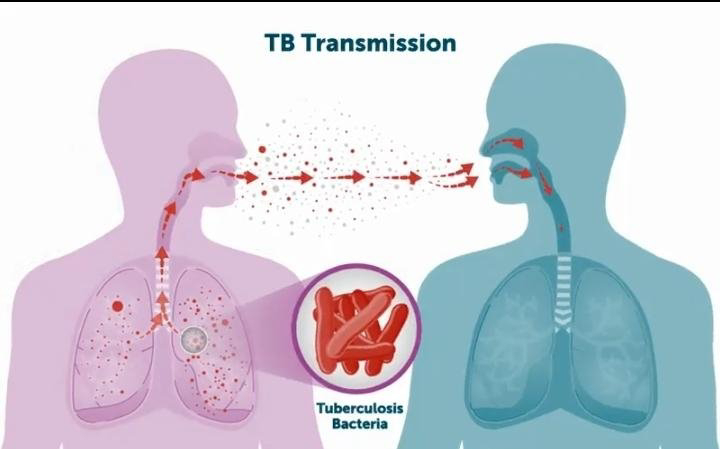
Tuberculosis (TB) is a persistent global health concern, with millions of individuals affected each year. Its treatment and control necessitate a comprehensive approach that includes early diagnosis, consistent drug therapy, and public health interventions. However, one of the most challenging obstacles to achieving these goals is the frequent occurrence of TB drug and commodity stockouts, which can have far-reaching consequences on TB treatment and control programs.

Wednesday, 6 September 2023

Role of community in global fund to fight HIVTB and Malaria


The Global Fund to Fight HIV, TB, and Malaria is an international organization dedicated to combatting these devastating diseases. However, its success heavily relies on the active involvement of community members like you. Your role in the country application process plays a pivotal part in ensuring the effectiveness of the programs aimed at eradicating HIV, TB, and malaria

First and foremost, as a community member, you are an advocate for change. Your voice can be a powerful tool in the fight against these health issues. You're encouraged to advocate for the prioritization of HIV, TB, and malaria within your community. By engaging local leaders and encouraging them to apply for support from the Global Fund, you help lay the foundation for impactful change.


Beyond advocacy, your role involves mobilizing your fellow community members. You become a catalyst for awareness campaigns, testing, and treatment programs. By rallying the community around these critical initiatives, you can help ensure that more people have access to life-saving interventions.


Data collection is another vital aspect of your involvement. You assist in gathering data that paints a clear picture of the prevalence and impact of HIV, TB, and malaria in your community. This data is invaluable, as it informs the application process, guiding decisions on resource allocation and program design.

Your contribution extends to needs assessment. You work alongside experts to identify the specific needs and challenges faced by your community in relation to these diseases. This knowledge forms the basis for tailored interventions that are more likely to succeed.

Collaboration is key, as you join forces with local health authorities and NGOs to develop comprehensive funding proposals. Together, you craft plans that address your community's unique needs, ensuring that the resources from the Global Fund are put to the best possible use.


Your commitment doesn't stop at proposal development; you actively participate in monitoring and evaluation efforts. This hands-on involvement ensures that funds are used effectively and that the desired results are achieved. Your insights help fine-tune programs for maximum impact.

Furthermore, you become an advocate for accountability. Holding local authorities responsible for the proper use of Global Fund resources is essential. Your advocacy also promotes transparency in program implementation, fostering trust within the community.

In essence, your role as a community member is absolutely crucial. You play a pivotal part in shaping the success of Global Fund initiatives at the local level. By actively engaging in advocacy, mobilization, data collection, needs assessment, proposal development, monitoring, evaluation, and accountability efforts, you contribute significantly to reducing the burden of these diseases in your community and beyond. Your commitment and dedication are essential elements in the fight against HIV, TB, and malaria, ultimately working towards a healthier and brighter future for all.

Friday, 1 September 2023

"Uncovering Critical Issues: TB-HIV Co-infection and Healthcare Challenges in Kisumu East District - Insights from January 2011 Observations and Interviews"


  1. High Mortality Rates: More than 70% of deaths among people living with HIV in the area are TB-related. The prevalence of TB-HIV co-infection is alarmingly high, with many breadwinners succumbing to the disea


    se.

  2. Inadequate Healthcare Facilities: Lack of proper facilities and outdated equipment prone to breakdowns pose significant challenges. Delays in receiving results due to equipment issues have led to preventable deaths.

  3. Distance to Healthcare: Clients face difficulties accessing healthcare facilities due to long distances. Late arrival of healthcare workers further exacerbates the problem, forcing clients to seek other sources of livelihood while waiting.

  4. Lack of Motivation and Recognition: Community link persons often lack motivation and recognition from healthcare professionals, leading to burnout and reduced effectiveness.

  5. Weak Community Links: There is a need for stronger links between the community and healthcare systems to ensure effective TB-HIV management.

  6. Poor Coordination: Coordination among stakeholders involved in TB-HIV care is lacking, impacting the effectiveness of efforts.

  7. Lack of Collaboration: There is a lack of cooperation in TB-HIV collaborative activities, with some departments not recognizing the need for dedicated TB support groups.

  8. Information Gap: Lack of information about TB and HIV treatment is evident among patients. Some are unaware that TB can be cured, leading to misconceptions and fear.

  9. Healthcare Worker Attitudes: Health professionals' negative attitudes towards community resource persons can lead to hopelessness among clients, affecting adherence and recovery.

  10. Fear and Stigma: Fear of being expelled from healthcare facilities and stigma associated with TB and HIV hinder open communication and information sharing.

  11. Lack of Commitment: Lack of commitment from all parties involved, along with power struggles, hampers progress in TB-HIV collaborative activities.

  12. Low Participation in Support Groups: Very few TB clinic attendees are members of social support groups, highlighting the need to facilitate and promote these groups both within healthcare facilities and the community.

  13. Widespread Stigma and Discrimination: Stigmatization and discrimination against TB and HIV patients persist at various levels of society.

  14. Poverty as a Barrier: Poverty remains a significant barrier to accessing affordable healthcare services.

These issues reflect the chronological progression of observations and interviews conducted in Kisumu East District in January 2011, emphasizing the multifaceted challenges surrounding TB-HIV co-infection and healthcare in the community. The conclusion highlights the urgency of comprehensive interventions and the role of community engagement and support groups in addressing these challenges.

"Breaking Boundaries: Men's Crucial Roles in Ending HIV Cultural Barriers in Africa and Beyond"


Men have a vital role in dismantling cultural barriers that fuel HIV transmission, not only in Africa but across the globe. By challenging traditional norms, advocating for education, and fostering gender equality, men can contribute significantly to the fight against HIV/AIDS and help create a more inclusive, informed, and healthier society.

Through education by themselves can dispel myths and misconceptions in their communities about HIV/AIDS, promote accurate information about the virus and its transmission to reduce stigma and discrimination. They can also challenge gender norms bearing to the fact that cultural norms and expectations around masculinity can lead to risky behaviors. Through this they can promote healthier, non-violent forms of masculinity that prioritize safe sex and responsible relationships. Engaging religious and community leaders to foster an understanding of HIV/AIDS that is compassionate and inclusive. Encouraging leaders to speak out against discrimination can have a significant impact.

Gender inequality often contributes to women's vulnerability to HIV, actively promoting gender equality in their communities and beyond is for gender transformation. Encouraging testing and treatment through leading by example and encourage both men and women to get tested for HIV regularly and seek treatment if necessary. They can have open discussions about one's own HIV status can help reduce the fear of testing. Here through discussions can trigger open and honest communication with their sexual partners about HIV and safe sex practices. Encouraging couples to get tested together and make informed choices can reduce transmission


On youth engagement men can mentor and guide young people, particularly boys, to make informed decisions about their sexual health. This includes discussing safe sex, consent, and the importance of regular testing. Men can engage in advocacy efforts ethically and through meaningful participation to change policies that hinder HIV prevention and treatment. They can support policies that promote comprehensive sex education to everyone that needs it , condom distribution, and access to healthcare. In the media and arts can use their platforms to raise awareness about HIV/AIDS through storytelling, campaigns, and artistic expression.

Supporting access to healthcare they can advocate for improved access to healthcare services, including HIV prevention, testing, and treatment. They can support initiatives that make healthcare more accessible to undeserved communities. In conclusion by actively participating in these roles, men can help shift cultural norms and behaviors that contribute to the spread of HIV/AIDS, ultimately making a positive impact on the prevention and management of the virus in Africa and globally.